Showing posts with label infection. Show all posts

Monday, November 29, 2010

Study Finds No Progress in Safety at Hospitals

By DENISE GRADY

Efforts to make hospitals safer for patients are falling short, researchers report in the first large study in a decade to analyze harm from medical care and to track it over time.

The study, conducted from 2002 to 2007 in 10 North Carolina hospitals, found that harm to patients was common and that the number of incidents did not decrease over time. The most common problems were complications from procedures or drugs and hospital-acquired infections.

“It is unlikely that other regions of the country have fared better,” said Dr. Christopher P. Landrigan, the lead author of the study and an assistant professor at Harvard Medical School. The study is being published on Thursday in The New England Journal of Medicine.

It is one of the most rigorous efforts to collect data about patient safety since a landmark report in 1999 found that medical mistakes caused as many as 98,000 deaths and more than one million injuries a year in the United States. That report, by the Institute of Medicine, an independent group that advises the government on health matters, led to a national movement to reduce errors and make hospital stays less hazardous to patients’ health.

Among the preventable problems that Dr. Landrigan’s team identified were severe bleeding during an operation, serious breathing trouble caused by a procedure that was performed incorrectly, a fall that dislocated a patient’s hip and damaged a nerve, and vaginal cuts caused by a vacuum device used to help deliver a baby.

Dr. Landrigan’s team focused on North Carolina because its hospitals, compared with those in most states, have been more involved in programs to improve patient safety.

But instead of improvements, the researchers found a high rate of problems. About 18 percent of patients were harmed by medical care, some more than once, and 63.1 percent of the injuries were judged to be preventable. Most of the problems were temporary and treatable, but some were serious, and a few — 2.4 percent — caused or contributed to a patient’s death, the study found.

The findings were a disappointment but not a surprise, Dr. Landrigan said. Many of the problems were caused by the hospitals’ failure to use measures that had been proved to avert mistakes and to prevent infections from devices like urinary catheters, ventilators and lines inserted into veins and arteries.

“Until there is a more coordinated effort to implement those strategies proven beneficial, I think that progress in patient safety will be very slow,” he said.

An expert on hospital safety who was not associated with the study said the findings were a warning for the patient-safety movement. “We need to do more, and to do it more quickly,” said the expert, Dr. Robert M. Wachter, the chief of hospital medicine at the University of California, San Francisco.

A recent government report found similar results, saying that in October 2008, 13.5 percent of Medicare beneficiaries — 134,000 patients — experienced “adverse events” during hospital stays. The report said the extra treatment required as a result of the injuries could cost Medicare several billion dollars a year. And in 1.5 percent of the patients — 15,000 in the month studied — medical mistakes contributed to their deaths. That report, issued this month by the inspector general of the Department of Health and Human Services, was based on a sample of Medicare records from patients discharged from hospitals.

Dr. Landrigan’s study reviewed the records of 2,341 patients admitted to 10 hospitals — in both urban and rural areas and involving large and small medical centers. (The hospitals were not named.) The researchers used a “trigger tool,” a list of 54 red flags that indicated something could have gone wrong. They included drugs used only to reverse an overdose, the presence of bedsores or the patient’s readmission to the hospital within 30 days.

The researchers found 588 instances in which a patient was harmed by medical care, or 25.1 injuries per 100 admissions.

Not all the problems were serious. Most were temporary and treatable, like a bout with severe low blood sugar from receiving too much insulin or a urinary infection caused by a catheter. But 42.7 percent of them required extra time in the hospital for treatment of problems like an infected surgical incision.

In 2.9 percent of the cases, patients suffered a permanent injury — brain damage from a stroke that could have been prevented after an operation, for example. A little more than 8 percent of the problems were life-threatening, like severe bleeding during surgery. And 2.4 percent of them caused or contributed to a patient’s death — like bleeding and organ failure after surgery.

Medication errors caused problems in 162 cases. Computerized systems for ordering drugs can cut such mistakes by up to 80 percent, Dr. Landrigan said. But only 17 percent of hospitals have such systems.

For the most part, the reporting of medical errors or harm to patients is voluntary, and that “vastly underestimates the frequency of errors and injuries that occur,” Dr. Landrigan said.

“We need a monitoring system that is mandatory,” he said. “There has to be some mechanism for federal-level reporting, where hospitals across the country are held to it.”

Dr. Mark R. Chassin, president of the Joint Commission, which accredits hospitals, cautioned that the study was limited by its list of “triggers.” If a hospital had performed a completely unnecessary operation, but had done it well, the study would not have uncovered it, he said. Similarly, he said, the study would not have found areas where many hospitals have made progress, such as in making sure that patients who had heart attacks or heart failure were sent home with the right medicines.

The bottom line, he said, “is that preventable complications are way too frequent in American health care, and “it’s not a problem we’re going to get rid of in six months or a year.”

Dr. Wachter said the study made clear the difficulty in improving patients’ safety.

“Process changes, like a new computer system or the use of a checklist, may help a bit,” he said, “but if they are not embedded in a system in which the providers are engaged in safety efforts, educated about how to identify safety hazards and fix them, and have a culture of strong communication and teamwork, progress may be painfully slow.”

Leah Binder, the chief executive officer of the Leapfrog Group, a patient safety organization whose members include large employers trying to improve health care, said it was essential that hospitals be more open about reporting problems.

“What we know works in a general sense is a competitive open market where consumers can compare providers and services,” she said. “Right now you ought to be able to know the infection rate of every hospital in your community.”

For hospitals with poor scores, there should be consequences, Ms. Binder said: “And the consequences need to be the feet of the American public.”

Thursday, November 4, 2010

Bandage changes color if wound becomes infected

This is one of those things that is so obvious that you want to smack your head against the wall for not thinking of it first. Researchers in Munich, Germany have invented an indicator dye that changes color when bruises become infected.

The researchers at the Fraunhofer Research Institution for Modular Solid State Technologies EMFT say that the the dye works by measuring pH values. Regular human skin and healed wounds have a pH value around 5 — if the pH value goes up to 6.5 or 8.5, then the dye will change color from clear to purple. When it changes to purple is when you should start panicking because you'll likely have an infection.

EMFT is currently working hard to find an industrial partner to mass produce its dye for commercial sale. Hopefully bandage makers are seeing the full potential this dye has to offer.

We can't tell you how many times this infection indicating dye would have come in handy when we were little tots. Think about how many fewer wrinkles we would have on our foreheads if we weren't stressing the fear of an infection.

Sunday, October 24, 2010

Solutions to hospital infections are sought


Howard Fischer Capitol Media Services Arizona Daily Star | Posted: Tuesday, October 19, 2010 12:00 am | Comments

PHOENIX - A special panel studying how to cut down on hospital infections that kill 2,000 Arizonans a year is looking at solutions - everything short of actually telling would-be patients which hospitals have the worst record.

"It's more important to focus on prevention efforts in hospitals and other health-care organizations than it is to report rates," said Kris Korte, a member of the committee. She also is a nurse in charge of infection prevention at Banner Thunderbird Medical Center.

Korte acknowledged there's a more basic reason why hospitals oppose any sort of public reporting. She said patients would not understand the data.

"Infection rates are very difficult to explain to people that are not involved in creating those rates," she said.

State Health Director Will Humble, who said more Arizonans die from infections they get in hospitals than from motor-vehicle accidents, said he isn't going to push for a change in state law to make this kind of information available. That means not only is the public denied access to the information, but it's not provided to his own agency, either.

Humble said given the size and complexity of his agency, he has to "rely on stakeholder groups" to analyze problems and make recommendations to him.

"I'm not in a position to second-guess the committee," he said.

Humble said he understands the desire to have options on where to have a procedure performed to have access to that kind of information.

"On an intuitive level, it does make some sense to report," he said. But Humble said he told committee members to find what works elsewhere to bring down infection rates.

He said some of what the panel learned is that most of the effective infection-control practices are "really low-tech and simple." They're also inexpensive.

"It's things like doing a better job of hand washing, both surgeons but also the nursing staff," Humble said.

"It's paying attention to details when you're doing central lines" designed to provide medications directly into a patient's blood vessel, he continued. And it includes trying to prevent infection on cutting into the body, like swabbing anti-bacterial cream onto surgical patients.

And public disclosure?

"The data suggest that, in fact, it's not the most effective tool at driving down infection rates within hospital and health-care facilities," Humble said. "What I want to do is focus on those things that actually work."

But the Committee to Reduce Infection Deaths, headed by former New York Lt. Gov. Betsy McCaughey, reports that Arizona appears to be in the minority in keeping this information from the public.

It reports on its website that 27 states have laws requiring public reporting of what are formally known as "health-care-acquired infection rates." That allows, for example, New York residents to view a 135-page report that shows each hospital's rate of infection for various medical procedures.

Two other states have confidential reporting to state health officials.

Shoana Anderson, deputy chief of the health department's Bureau of Epidemiology and Disease Control, said raw data could be misleading.

"Some hospitals that are large research-level hospitals tend to get patients that are more ill," she said, at least in part because they are better capable of taking care of those people. Anderson said there needs to be a baseline that takes factors like that into account "to make sure you're comparing apples to apples."

Even without disclosure, Humble said there is financial pressure on hospitals to control infection rates because the federal government, which is increasing the paying for health care for the poor and the elderly, has "a big interest in driving down what the costs are."

Monday, July 19, 2010

Hospital Infection Deaths Caused by Ignorance and Neglect


Hospital infection deaths caused by ignorance and neglect, survey finds

By N.C. Aizenman
Washington Post Staff Writer
Tuesday, July 13, 2010; A03

Deadly yet easily preventable bloodstream infections continue to plague American hospitals because facility administrators fail to commit resources and attention to the problem, according to a survey of medical professionals released Monday.

An estimated 80,000 patients per year develop catheter-related bloodstream infections, or CRBSIs -- which can occur when tubes that are inserted into a vein to monitor blood flow or deliver medication and nutrients are improperly prepared or left in longer than necessary. About 30,000 patients die as a result, according to the Centers for Disease Control and Prevention, accounting for nearly a third of annual deaths from hospital-acquired infections in the United States.

Yet evidence suggests hospital workers could all but eliminate CRBSIs by following a five-step checklist that is stunningly basic: (1) Wash hands with soap; (2) clean patient's skin with an effective antiseptic; (3) put sterile drapes over the entire patient; (4) wear a sterile mask, hat, gown and gloves; (5) put a sterile dressing over the catheter site.

The approach also calls for clinicians to continually reconsider whether the benefits of keeping the catheter in for another day outweigh the risks and to use electronic monitoring systems that allow them to spot infections quickly and assemble a rapid response team to treat them.

A federally funded program implementing these measures in intensive-care units in Michigan hospitals reduced the incidence of CRBSIs by two-thirds, saving more than 1,500 lives and $200 million in the first 18 months. Similar initiatives across the country helped bring the overall national rate of these and related bloodstream infections down by 18 percent in the first six months of 2010, according to the CDC.

"Our research shows that the cost of implementing [such programs] is about $3,000 per infection, while an infection costs between $30,000 to $36,000," said Peter Pronovost, a professor at Johns Hopkins University School of Medicine who led the program. "That means an average hospital saves $1 million."

So why aren't hospitals leaping to adopt these best practices?

The survey released Monday, which was conducted by the Association for Professionals in Infection Control and Epidemiology and funded by Bard Access Systems, a maker of catheters, pointed to ignorance and neglect at the top.

More than half of the 2,075 respondents, most of whom were infection control nurses employed by hospitals, reported that they use a cumbersome paper-based system for tracking patients' conditions that makes it harder to spot infections in real time. Seven in 10 said they are not given enough time to train other hospital workers on proper procedures. Nearly a third said enforcing best practice guidelines was their greatest challenge, and one in five said administrators were not willing to spend the necessary money to prevent CRBSIs.

Pronovost said part of the problem was that many hospital chief executives aren't even aware of their institution's bloodstream infection rates, let alone how easily they could bring them down.

When hospital leaders decide to create a culture in which preventing infections is a priority, he added, nurses feel empowered to remind physicians to follow the checklist when inserting catheters, physicians are provided antiseptic soaps as part of their catheter kits and infection control personnel have the best tools to monitor patients.

"If anyone in that chain of accountability doesn't work, you won't get your [infection] rates down," he said. "But it's the hospital's senior leadership that is ultimately responsible."

Sunday, April 11, 2010

C Difficile Surpasses MRSA as the Leading Cause of Nosocomial Infections in Community Hospitals

Emma Hitt, PhD

March 23, 2010 (Atlanta, Georgia) — Hospital-onset healthcare-facility-associated Clostridium difficile infections (CDI) have increased in incidence and have surpassed methicillin-resistant Staphylococcus aureus (MRSA) infections, according to a new study of a large cohort of patients from community hospitals.

Becky A. Miller, MD, an infectious disease fellow from Duke University in Durham, North Carolina, presented the findings during an oral session here at the Fifth Decennial International Conference on Healthcare-Associated Infections 2010.

"This is the first time this has been described using patient-level data (i.e., with the number of cases as the numerator and the number of patient days as the denominator)," Dr. Miller told Medscape Infectious Diseases.

"We think this trend, particularly in community hospitals, would not have been captured without our large network of 39 hospitals where we perform infection control and surveillance," she said. "We were also unaware that cases of nosocomial C difficile infection had increased and surpassed MRSA."

The researchers performed a prospective cohort study in 28 community hospitals participating in the Duke Infection Control Outreach Network between January 2008 and December 2009.

The cohort consisted of 3,007,457 patient-days. Numerically, nosocomial CDI was the most common healthcare-associated infection (847 cases), followed closely by nosocomial bloodstream infection (838 cases).

Nosocomial infections due to MRSA and intensive care unit device-related infections were approximately equal, at 680 and 681 cases, respectively.

Patients with nosocomial CDI (n = 840) and nosocomial MRSA (n = 655) were equally likely to be male, and to have diabetes or end-stage renal disease requiring hemodialysis. However, patients who developed nosocomial CDI were, on average, older than patients who developed nosocomial MRSA infection (65 vs 59 years; P < .0001). In addition, time to infection was, on average, 8 days for CDI and 7 days for MRSA infection (P < .0001), and overall mortality was higher among patients with MRSA infection than CDI (P < .0001).

The rate of nosocomial CDI was 0.28 cases per 1000 patient-days, whereas the rate of nosocomial MRSA infection was 0.23 cases per 1000 patient-days. Thus, nosocomial CDI occurred 25% more frequently than nosocomial MRSA infection.

Since 2007, rates of healthcare-associated MRSA infection have steadily decreased, whereas rates of CDI have increased, Dr. Miller said during her presentation.

According to Dr. Miller, C difficile spores are shed in stool, and these spores can persist in the hospital environment for months. "These infections are not being prevented by methods that are clearly working to prevent nosocomial infections due to MRSA," she said. She added that "we think that this study represents the tip of the iceberg, as we did not include nosocomial C difficile cases diagnosed after patients leave the hospital."

In another presentation on C difficile, researchers described a targeted strategy to eliminate C difficile using ultragermicidal bleach wipes. Robert Orenstein, DO, from the Mayo Clinic in Rochester, Minnesota, reported the findings here in a poster session.

"The beauty of this project was that implementation was relatively simple — it required putting together a committed team and emphasizing our goal of improving patient outcomes," Dr. Orenstein told Medscape Infectious Diseases.

The researchers targeted 2 units with a focused intervention of daily cleaning of all patient rooms with Clorox brand ultragermicidal bleach wipes containing 6.15% sodium hypochlorite, and cleaning after the patient had been discharged.

Cleaning was assessed by environmental services supervisors, and Clean-Trace technology was used. Patients and environmental services employees who cleaned the rooms responded to a survey regarding satisfaction and tolerance of the cleaning procedure.

Before the intervention was initiated, the incidence of CDI was 18.4 per 10,000 patient-days; after the intervention was initiated, the incidence was 3.76 per 10,000 patient-days, "far exceeding" their goal of a reduction in incidence of 30%, Dr. Orenstein said.

According to the authors, patients tolerated the cleaning well, and although environmental services "employees initially had concerns regarding odor and irritation, these were resolved." The cost of the intervention was estimated at $18,671 per year.

"I am struck by the fact that our highest-risk unit has gone 6 months without a hospital-acquired case attributable to their unit, despite the fact that the overall incidence (i.e., cases admitted with this infection) continues to rise," Dr. Orenstein said. "This suggests what we did really had a great impact," he added. "This is especially gratifying knowing the impact that C difficile disease can have on our patients lives."

"C difficile has been in the news for the last decade," said Carlene A. Muto, MD, medical director for infection control at the University of Pittsburgh School of Medicine in Pennsylvania. "What has taken focus this year is that the environment matters," she said.

According to Dr. Muto, an analysis by their group presented in the late-breaking session described the undetected reservoir in patients who asymptomatically carry C difficile (~6% of the patients tested).

"Many studies have described noncompliance with cleaning patient rooms and how a focused effort can change this behavior," Dr. Muto told Medscape Infectious Disease. "Our group implemented a bleach/detergent cleaning program years ago, but since June 2009, we have used this product on every surface, every time, not just in the rooms of patients known to be positive."

She noted that "patients not known to be colonized/infected one day may be so the next. We did see a decrease in C difficile healthcare-associated infections using this approach."

Neither study was commercially funded. Dr. Miller, Dr. Orenstein, and Dr. Muto have disclosed no relevant financial relationships.

Fifth Decennial International Conference on Healthcare-Associated Infections (ICHAI) 2010: Abstract 386, presented March 20, 2010; Abstract 142, presented March 19, 2010.

Friday, April 9, 2010

New State Regulation Could Affect California's Low Physician Disciplinary Rate


California is one of the least likely states to take serious disciplinary action against physicians, according to a new study. But a new state regulation might soon change that.

Starting in June, California's 125,000 physicians will be required to post signs in their offices or otherwise inform patients about how to contact the Medical Board of California to file quality of care complaints.

The new regulation comes in response to concerns that California patients are not lodging complaints about quality of care very often, a position given credence by a report released this week showing California ranks 41st in the country in disciplinary action against physicians.

Using data from the Federation of State Medical Boards, consumer group Public Citizen found an average of 3.05 serious disciplinary actions per 1,000 physicians nationally. In comparison, California's medical board took 2.36 serious disciplinary actions per 1,000 doctors last year. Researchers defined serious discipline as license revocations, surrenders, suspensions, probation or restrictions.

Under the state's new regulations, physicians must provide a notice with the name, phone number and Web site of the medical board. Proponents hope more consumer information will help uncover misconduct and increase quality of care in the state.

The California Medical Association criticized the new rule, claiming it could undermine the doctor-patient relationship.

Meanwhile, here's a rundown of health care bills making their way through the Legislature.

Health Plans

AB 2586 by Assembly member Wesley Chesbro (D-Santa Rosa) would require health insurers to demonstrate that a planned modification to its health care provider network meets certain standards. The measure also would require insurers to provide consumers with an accurate list of contracting providers upon request. In addition, the bill would require insurers post an interactive map on their Web sites to help consumers locate providers in their area (Bill text, 4/5). The bill is before the Assembly Committee on Health (Bill status, 4/5).

Doctors and Nurses

Under AB 2699 by Assembly member Karen Bass (D-Los Angeles), health care providers licensed in another state would be exempt from California's medical licensure requirements if they provide care on a short-term, voluntary basis in association with certain registered sponsoring entities. The bill also would state the intent of the Legislature that the voluntary services be primarily provided to uninsured and underinsured populations (Bill text, 4/5). The bill is before the Assembly Committee on Rules (Bill status, 4/5).

Prescription Drugs

SB 1106 by Sen. Leland Yee (D-San Francisco) would require prescribers who dispense prescription drug samples to either provide patients with a copy of the FDA-approved package insert for the medication or ensure that the manufacturer's warnings are on the packaging of the samples (Bill text 4/5). The bill is before the Senate Committee on Appropriations (Bill status, 4/5).

Health Care Reform

SB 1378 by Sen. Tony Strickland (R-Moorpark) would prohibit the state from enacting any Medi-Cal expansions mandated under the national health care reform law unless the federal government fully funds the expansion. Medi-Cal is California's Medicaid program (Bill text, 4/5). The bill is before the Senate Committee on Rules (Bill text, 4/5).

Tuesday, November 10, 2009

Sebelius Announces Release of Recovery Act Funding to Improve Care in Nation’s Ambulatory Surgical Centers

To reduce healthcare-associated infections (HAIs) in stand-alone or same-day surgical centers, the HHS Secretary Kathleen Sebelius today announced the availability of up to $9 million in funding from the American Recovery and Reinvestment Act (ARRA) to state survey agencies in 43 states. HAIs are infections some patients acquire when they are in a health care setting such as a hospital or outpatient clinic.

“Because of the Recovery Act, millions of patients who go to stand-alone surgical centers will have greater assurance that they won’t come home with a new infection,” said Health and Human Services’ Secretary Kathleen Sebelius. “Residents in these 43 states will continue to see the benefits from the Recovery Act not only by addressing health care associated infections, but by putting people to work to solve an important issue and improve the quality of life for Americans.”

“Healthcare-Associated Infections kill nearly 100,000 people and add an extra $30 billion in healthcare costs every year. But with a little bit of knowledge, and some extra effort, much of that can be prevented. I’m glad to see these funds going to help put people to work combating this tragedy around the country,” said Congressman Dave Obey (D-WI), the Chairman of the House Appropriations Committee, who was a lead author of the Recovery Act and has been an outspoken advocate for efforts to reduce HAIs.

Accredited facilities are surveyed by CMS-approved private accrediting organizations. As part of the new initiative, surveyors in the 43 states will survey approximately 1,300 ambulatory surgical centers (ASCs) across the nation, one-third of the more than 3,800 non-accredited ASCs across the country during the next 12 months. State surveyors will employ a new CMS survey process for ASCs that uses an infection control tool developed in conjunction with the Centers for Disease Control and Prevention (CDC).

Across the United States, health care services are being shifted to outpatient settings such as ambulatory care facilities, long term care facilities, and free-standing specialty care sites. The number of ASCs participating in Medicare grew from about 3600 in calendar year 2002 to 5200 in early 2009, a 44 percent increase. ASCs account for more than 43 percent of all same-day (ambulatory) surgery in the United States, amounting to about 15 million procedures every year. Typical surgical procedures conducted in ASCs include endoscopies and colonoscopies, orthopedic procedures, plastic/reconstructive surgeries, and eye, foot, and ear/nose/throat surgeries.

HAI outbreaks in outpatient settings continue to occur according to the CDC. In several ASC-related communicable disease outbreaks, failure to employ very basic infection control practices were implicated, leading CMS to identify this as an area for additional oversight.

In the last fiscal year, 12 states volunteered to get a head start on this nationwide effort to reduce healthcare-associated infections in stand-alone or same-day surgical centers by beginning to survey ASCs with funding of nearly $1 million provided through the Recovery Act.

In addition to the funds being made available for the inspection of ASCs, the CDC has also made $40 million available to state public health departments to create or expand state-based HAI prevention and surveillance efforts, and strengthen the public health workforce trained to prevent HAIs.

These funds support activities outlined in HHS’ 2009 Action Plan to Prevent Healthcare-Associated Infections. The plan also establishes national goals, prioritizes recommended clinical practices, and coordinates a national research agenda. Development of this national plan, available at http://www.hhs.gov/ophs/initiatives/hai, is coordinated by HHS’ Office of Public Health and Science, and involves participation from the Agency for Healthcare Research and Quality, CDC, CMS, the Food and Drug Administration, the Indian Health Service, the Health Resources and Services Administration, the National Institutes of Health, the Office of the National Coordinator for Health Information Technology, and other HHS offices, and the Department of Veterans Affairs.

Saturday, July 4, 2009

Consumer Reports Profiles Survivor Alicia Cole

Reform should make it easy to get information on quality
August 2009

'I lay in my hospital bed watching my stomach turn black and purple and rot. It looked as if I had been snapped in half by a shark.'— Alicia Cole, 46, of Sherman Oaks, Calif.Photo by Melanie Eve Barocas

This article is the archived version of a report that appeared in the August 2009 Consumer Reports magazine.

When Alicia Cole learned she needed surgery for benign fibroids, she did her homework on the surgeon and the hospital. "I looked at HealthGrades, Leapfrog, Hospital Compare, and other Web sites," says Cole, a 46-year-old actress from Sherman Oaks, Calif. "But one thing I didn't check was the hospital's infection rate."

Even if she had tried to check, California hospitals didn't have to make such data public, and hers didn't. Cole had the operation there anyway. During her hospital stay, she came down with a post-surgical flesh-eating infection that turned her entire midsection into something worthy of a horror movie. After two months in the hospital and two years of painful rehabilitation, she still can't work. "The skin and scar tissue is so delicate that the least pressure will tear or scratch it," she says. Federal inspectors subsequently found unsterile conditions in the hospital's operating area.

Enraged by her experience, Cole joined the fight against hospital infections and helped persuade the California legislature to pass a law requiring public reporting; she now sits on the advisory board for the law. Did she ever learn the hospital's infection rate? Sadly, no. The law has not yet been implemented. "What we really need is a national law," Cole says, noting that hospital-acquired infections are a leading cause of death in this country. "It's the elephant in the room," she says.

CU recommends

Health reform should make it simple to get good information on health-care quality. You should be able to find data not only on infection rates, a reform we've backed for years, but also on doctors, drugs, treatments, and errors. Yet most states still allow doctors to shield a history of malpractice settlements. And infection rates, if reported at all, are often kept secret, which doesn't provide enough incentive for improvement.

What does work is disclosure. Pennsylvania, which passed the first statewide reporting law, remains the only state to require disclosure of all major types of hospital infections. And infections there have dropped 8 percent in the last two years.

Read about our latest reform efforts and our analysis of legislation as its being debated in Washington, D.C. in our Guide to Health-Care Reform.

Surgery Tech Suspected of Exposing 5,700 to Hepatitis C

Colorado Springs surgery tech suspected of exposing 5,700 to hepatitis C
July 2, 2009 - 6:28 PM
JOHN C. ENSSLIN AND BRIAN NEWSOME
THE GAZETTE


Federal officials Thursday warned that about 5,700 surgery patients, including 1,000 at a Colorado Springs surgery center, are at risk of having been infected by an operating room technician with hepatitis C.
On Thursday, federal authorities filed criminal charges in U.S. District Court in Denver against Kristen Diane Parker, a former scrub technician at Rose Medical Center in Denver and Audubon Ambulatory Surgery Center in Colorado Springs.
According to the criminal complaint, Parker - a former heroin addict - admitted swapping her own dirty syringes filled with saline solution for syringes filled with Fentanyl, a narcotic 80 to 100 times stronger than morphine.
The drug is supposed to be used to help major post-surgery patients manage pain. Instead, they got no relief while Parker injected herself with the painkiller at home and in the hospital bathrooms before and after a surgery, according to the seven-page complaint.

"I know I (expletive deleted) up," Parker told Denver Police Detective Dale Wallis after he confronted her during a videotaped interview on June 30. "I can't take back what I did, but I will have to live with it for the rest of my life, and so does everybody else."

She told Wallis she expects to spend the rest of her life in prison. She told the detective that she had used heroin from July 2008 to September 2008 while living in New Jersey. She said she had used dirty needles and "was 99.9 percent sure" that is how she was exposed to hepatitis C.

A MySpace page for a woman with the name Kristen Parker describes her as a 26-year-old Colorado Springs resident with interests in heavy metal rock, tattoos and needles.

"I have a crazy fascination with needles.. I just like the way they feel!" the Web page states.

According to an affidavit by Mary F. LaFrance, an investigator for the U.S. Food and Drug Administration, at least nine surgery patients at Rose have tested positive for the incurable disease.
As a result, authorities are advising 4,700 Rose patients and 1,000 Audubon patients that they may have been exposed and need to be tested.

Parker worked at Rose from October 21, 2008 until April 2009. She resigned on April 20 from Rose, but the hospital refused to accept her resignation and instead fired her.

She went to work for Audubon shortly after being fired from Rose. She worked there from May 4 until Monday, said Dr. J. Michael Hall, Audubon's medical director.

Hall said certified letters are being sent to all patients who had outpatient surgery at the center's Circle Drive and Union Boulevard location May 4-July 1 advising them they may have been exposed and with instructions on what to do. Patients at Audubon's two other locations, one near St. Francis Medical Center and a pain management center, are unaffected.

In the criminal complaint she is charged with tampering with a consumer product, creating a counterfeit controlled substance and obtaining a controlled substance "by deceit and subterfuge."

If convicted, she faces up to 10 years in prison and a maximum $250,000 on the most serious charge of tampering. She also faces state charges.
Parker is not a nurse and holds no medical degree although she is trained as a surgical technician. Her job involved preparing operating rooms prior to surgery.

Prior to being hired at Rose, she submitted to a pre-employment blood test which tested positive for hepatitis C. She was allowed to start work but hospital officials counseled her about the disease and exposure possibilities.

Rose placed her on administrative leave following an incident in which a co-worker was pricked by a needle in Parker's pocket on March 23, 2009.

According to the affidavit, Parker quickly disposed of the needle and denied any use of narcotics. She was allowed to return to work after a drug screening test came back negative.

The hospital placed her on administrative leave again after a co-worker reported seeing Parker in an operating room to which she was not assigned. She was tested again for drugs and this time the results were positive for Fentalyn.

The hospital had a press conference Thursday and released a prepared statement that apologized to patients who have been affected.

"It is impossible to adequately express how deeply sorry and angry we are that the unconscionable acts of this terminated employee may have put some of our patients at risk," the statement reads.

The hospital will offer free testing to surgery patients of the hospital or the outpatient surgery center. Also, hospital officials have created a phone line for affected patients and their families who have questions.

After an investigation by the Colorado Department of Health, Parker was ordered by the state to "immediately cease and desist any employment that requires contact with patients and/or pharmaceuticals."

Hall said his center learned of the situation Thursday from the Colorado Department of Public Health and Environment. State and local health authorities, as well as Atlanta physicians with the federal Centers for Disease Control and Prevention, are assisting in tracking the exposures.
Hepatitis C facts

According to the Centers for Disease Control Web site, about 15 to 25 percent of people infected with hepatitis C clear the virus and do not develop chronic infection for reasons that are not well known.

Those who do develop acute hepatitis C develop symptoms such as fever, fatigue, dark urine, abdominal pain, loss of appetite, clay colored stool, nausea, vomiting, joint pain and jaundice.

For every 100 people who contract the disease, 75 to 85 will develop a chronic infection. About 60 to 70 will develop chronic liver disease. About 5 to 20 will develop cirrhosis over a period of 20 to 30 years. Between 1 and 5 will die of liver cancer or cirrhosis.

Chronic hepatitis C infections account for about 8,000 to 10,000 deaths each year in the United States.

No vaccine for hepatitis C is available.

Thursday, April 9, 2009

Keeps Coming Back to Hygiene and Cleanliness!

Study finds hospital mobile phones transmit message of MRSA
Stressed Out Nurses Weekly, March 16, 2009

A study recently published in the Annals of Clinical Microbiology and Antimicrobials suggests hospital phones could be spreading more than information.

Medical researchers from the Ondokuz Mayis University, located in Samsun, Turkey, tested samples from the hands of 200 ICU and OR healthcare workers from various hospitals, and performed cultures on 200 mobile phones, and found 95% of the phones were contaminated with bacteria including MRSA. Other microorganisms that surfaced have been linked to hospital-acquired infections. The study, which states the bacteria from both examinations was similar, suggests the hospital phones may allow for increased patient-to-patient transmission of bacteria in hospital settings.

In addition, researchers found only 10% of healthcare workers routinely cleaned hospital phones.

Study authors stress the need for healthcare workers to be trained on firm infection control practices, hand hygiene, and environmental disinfection.

They recommend preventative measures, such as regular decontamination of hospital phones with "alcohol containing disinfectant materials" and the use of "antimicrobial additive materials" to cut cross-infection.

Source: Annals of Clinical Microbiology and Antimicrobials

Hazards: Ambulance Stethoscopes May Pose Risk

The New York Times
By ERIC NAGOURNEY

Stethoscopes carried by ambulance crews are not always cleaned as often as they should be, and as a result they may be exposing some patients to drug-resistant bacteria, a new study reports.
Researchers who looked at stethoscopes used by emergency medical services workers in New Jersey found that a significant number carried methicillin-resistant Staphylococcus aureus, bacteria known as MRSA that are resistant to standard drugs.

Some of the ambulance workers could not recall the last time the instruments had been cleaned, said the researchers, whose report appears in the current issue of Prehospital Emergency Care.

The study’s lead author, Dr. Mark A. Merlin of Robert Wood Johnson Medical School, said it was unclear how big a threat MRSA on a stethoscope posed to a patient. But as incidents of infection by the bacteria become more common, and with the possibility that it will become more resistant to antibiotics, it is important to reduce its spread, he said.

Researchers asked ambulance crews arriving at an emergency department over a 24-hour period to let their stethoscopes be tested. They also asked when the instruments had last been cleaned.

Of 50 stethoscopes tested, 16 had the bacteria, which a simple alcohol swab is usually enough to kill, the researchers said. “The concept of cleaning an entire ambulance after every patient is not practical,” they wrote. “Cleaning a stethoscope, however, is not labor-intensive, does not require much time, and does not require any special equipment beyond currently stocked items.”

Sunday, March 22, 2009

Children's Staph Infections Increasingly Resistant to Drugs

New York Times
By RONI CARYN RABIN
Published: January 20, 2009


Children are picking up more stubborn staph infections that don’t respond to common antibiotics, and the proportion of ear, nose and throat infections resistant to standard drug treatment increased dramatically over a six-year period, a new study has found.

Methicillin-resistant Staphylococcus aureus infections, known as MRSA, accounted for 28.1 percent of children’s head and neck staph infections in 2006, up from just 11.8 percent in 2001, according to researchers at Emory University in Atlanta. It once was rare for an ear, nose and throat doctor to see MRSA infections, noted Dr. Steven E. Sobol, the paper’s senior author and director of pediatric otolaryngology at Emory University School of Medicine.. “That was the impetus for the study,” he said.

The report was published in this week’s issue of Archives of Otolaryngology - Head and Neck Surgery.

“Over the past four or five years, we’ve seen an increased prevalence of these infections that used to be caused by other organisms that are now being caused by MRSA,” said Dr. Sobol. The researchers excluded from their analysis skin infections not caused by staph.

Though the study captured information from only a limited number of laboratories, the report’s authors said the overall trend is clear, concluding that there is “an alarming nationwide increase” in the prevalence of MRSA infections in children. The change parallels an increase in so-called community-acquired cases of MRSA among relatively healthy people who aren’t hospitalized or infirm.

The scientists analyzed 21,009 head and neck staph infections occurring among children from January 2001 to December 2006. The data came from a national electronic microbiology database that collects strain-specific drug resistance test results from labs affiliated with 300 hospitals around the country. The average age of the patients was 6.7 years old.

The proportion of drug resistant head and neck staph infections increased dramatically over the six-year period, the researchers found. Overall, 21.6 percent, or 4,534 samples, were methicillin-resistant, the greatest proportion of them involving the ear, nose and sinus and pharynx.

Only 11.8 percent of childhood head infections were resistant in 2001, but the figure jumped to 12.5 percent in 2002, 18.1 percent in 2003, and 27.2 percent in 2004.

The rate fell to 25.5 percent in 2005 and rose again to 28.1 percent in 2006, the researchers reported.

Almost 60 percent of the head and neck infections occurred among children who had not been in medical settings beforehand and were seeing doctors as outpatients, the researchers said, suggesting that children were exposed to resistant bacteria in the community.

Op-Ed Columnist

Monday, January 12, 2009

World MRSA Day

MRSA SURVIVORS NETWORK
Dedicated to Providing Awareness, Education and Support
For Immediate Release:January 12, 2009

"Activism Marks First World MRSA Day"
Chicago-based MRSA Survivors Network announces the first "World MRSA Day" to be held October 2, 2009 and commemorated each year after on this date. October will also be designated "MRSA Awareness Month" and will call attention to the worldwide epidemic. MRSA was first discovered by Patricia Jevons, a microbiologist in the UK on Oct. 2, 1960 and nearly fifty years later, MRSA has spread worldwide.

Leading consumer patient advocates in their countries are lending their voice to the call of world unity in leadership and commitment in preventing and stopping MRSA, which is pandemic and rising at alarming rates in healthcare facilities and in the community. They call upon healthcare officials and leaders to step up and take a more aggressive and comprehensive approach to eradicate this preventable disease and focus on a broad and pro-active prevention program.

The hope of "World MRSA Day" is to bring people together every year to remind them of those who have lost their lives or have diminished health because of a preventable disease. By working together, whether as an advocate, scientist, healthcare worker, policy maker, student, caregiver or a patient living with MRSA we can collectively heighten the awareness and educate others on prevention.

To help provide education and awareness, a variety of events, exhibits, materials, candlelight vigils and commemoration programs are being planned and will be announced later.

For more information contact: MRSA Survivors Network
Jeanine Thomas – National Spokesperson for MRSA - USA
630 654-4588
jthomas@mrsasurvivors.org
www.mrsasurvviors.org

Tuesday, November 25, 2008

MRSA: Patients Revolt Against Hospital Secrecy

By Michael J. Berens and Ken Armstrong
Seattle Times staff reporters


A night-shift nurse slipped into Jeanine Thomas' hospital room and whispered, "I don't know how you're taking this so well. If I were you, I'd be curled up in a ball crying."

The remark mystified Thomas. She'd had ankle surgery, and yes, there had been complications. But she thought she was recovering. Was there something she didn't know?

In November 2000, Thomas, then a 45-year-old antiques dealer, had slipped on ice and shattered her left ankle outside her suburban Chicago home. But days after surgery at her local hospital, the skin surrounding the incisions turned black, and her body swelled. Doctors wanted to amputate, but Thomas, an avid tennis player, refused to let them.

Then, a friend told Thomas about her mother's battle with MRSA, an antibiotic-resistan t germ. Their symptoms matched. Thomas confronted a doctor and learned the truth: She, too, had MRSA. Only now did the nurse's comment make sense.

Thomas asked doctors how many people get MRSA. She was met by silence.

"That's when I knew — a light bulb went on in my head," she says. "They don't want anyone to know about this."

Today, Thomas is exposing MRSA's staggering toll as one of the nation's most influential patient advocates. Because of her persistence, Illinois hospitals now must disclose MRSA infection rates and screen for the germ. She's also pushing for federal legislation that could enhance patient safety in Washington and every other state.

Thomas epitomizes a revolt in health care. A growing number of consumer advocates — many bound by ordeals with MRSA, or methicillin- resistant Staphylococcus aureus — have vowed that if the U.S. Hospital system will not heal itself, they will do it.

Five years ago, not a single state forced hospitals to reveal how many patients contracted infections while under their care. Now 25 states have some form of "report card" disclosure that can make hospitals more accountable.

Washington has a report card; it tracks three kinds of infections — but not MRSA.

MRSA rates in Washington have increased 33-fold in the past decade, a Seattle Times analysis shows. Last year, 4,723 hospital patients were diagnosed with the infection.

With fanfare, the state launched two initiatives last year to combat the epidemic. But in the end, neither made much difference.

In Washington, no patient advocate like Thomas has emerged.

Advocates gain ground

Across the country, consumer advocates have embraced two tools — MRSA screening and hospital report cards — to make hospitals more transparent and aggressive when dealing with infections.

The more popular has been report cards, often a byproduct of patient frustration with hospital secrecy and inadequate infection control.

Chris Cahill, a consumer advocate, worked with legislators to pass a report-card law this year in California.

Before retiring in 2006, Cahill worked for 12 years as a hospital surveyor for the California Department of Health Services. She inspected dozens of hospitals and saw how they could become easy targets for contagion. Some hospitals are "so filthy and dirty it's just incredible," she says.

Many infection-control departments, a cornerstone of patient safety, have so little staff and equipment that it's impossible to track every germ or consistently enforce standards, she says. Even large hospitals often put infection control in the hands of just one or two nurses.

"Many hospitals see infection control as a necessary evil. All they see is the bottom line," Cahill says.

That so many states have recently adopted hospital report cards shows how influential consumer advocates have become. But the hospital industry has often pushed back.

Some hospital officials believe consumers will draw unfair comparisons from report cards, without considering how each hospital has different patient populations. A hospital with a trauma center will have more patients who are vulnerable than one that focuses on elective surgeries.
Lawmakers in some states have passed report cards that provide little information to the public.
In Nevada and Nebraska, hospitals now must report infections to state health officials. But to the public, the numbers remain locked away.

Arkansas encourages hospitals to report infection rates — if they want to. Most don't.

"Not essential right now"

Washington passed its own report-card act in spring 2007. But hospitals have to report only one kind of infection this year: bloodstream maladies in patients who receive a central-line intravenous hookup. The report card will add a second type of infection next year, and a third by 2010. But MRSA is not among them.

Twice before, report-card legislation had died in Washington, after drawing fierce opposition from the hospital industry. The current measure represents a compromise or a first step, said state Rep. Tom Campbell, R-Roy, who sponsored the bill.

In Washington, MRSA has been linked to 1,217 deaths in the past decade, a Seattle Times analysis of hospital records shows. At least 23,707 hospital patients have been diagnosed with MRSA infections.

One Seattle hospital estimates that it costs $20,000 to treat a MRSA infection. Using that figure, MRSA's financial toll in Washington exceeds $474 million.

In the report-card bill, Washington lawmakers had included $240,000 for state health officials to investigate MRSA outbreaks, establish surveillance programs and educate health-care workers and the public about stopping the germ's spread.

The Washington Hospital Association supported the measure, which would have allotted public money to address MRSA.

But Gov. Christine Gregoire stripped the provision out, along with all kinds of other spending items. Her veto notes called the measure "valuable" but "not essential to do right now."

The Illinois fight begins

While hospital report cards have been enacted in much of the country, legislation requiring hospitals to screen patients for MRSA has been difficult to pass.

When Jeanine Thomas contracted MRSA in 2000, no state had even considered such a law. Her success in changing the culture has become a strategic blueprint for consumers in other states, where hospital resistance to mandated screening remains steadfast.

After her ankle healed enough that she could walk, Thomas cobbled together bits and pieces of information about a germ that few seemed to know about.

In 2003, she helped muster support for a bill requiring Illinois hospitals to disclose infection rates. A state senator named Barack Obama co-sponsored the legislation, which passed that year.

The experience inspired Thomas. She began campaigning for a law that would require hospitals to screen patients for MRSA. The screening test, which costs about $20, allows hospitals to identify who has the germ and to isolate them, to protect other patients.

Thomas wrote letters to state legislators and spoke out at health-care meetings. She said doctors undecided about screening had adopted a "compromise of doing nothing."

To combat the medical establishment, she received help from two of the nation's leading infection-control experts. One was Dr. Barry Farr, who was retired from the University of Virginia. Farr had urged hospitals since the 1980s to adopt aggressive screening programs, but he often met with resistance.

The other was Dr. William Jarvis, former acting director of the Centers for Disease Control and Prevention (CDC). Jarvis also supported screening, and sparred with its opponents at infection-control conferences.

"The public is tired of waiting for us to decide this debate and move into action," he says.

By late 2005, Thomas had forged an alliance with Illinois state Sen. Christine Radogno, who agreed to sponsor legislation that would mandate MRSA screening. If passed, the law would be the nation's first.

Thomas later wrote a note about her meeting with Radogno: "She told me tell no one."

They agreed that stealth was necessary because a war was about to begin.

Maryland bill fails

In Maryland, a home contractor from Baltimore had already started a similar war.

Michael Bennett created the Coalition for Patients' Rights after his 88-year-old father, Mark, contracted MRSA at a local hospital. A week after getting MRSA, his father picked up two more antibiotic-resistan t germs. Those infections touched off necrotizing fasciitis — also called flesh-eating disease — and his leg was amputated.

Bennett's father was transferred to a series of rehabilitation centers. There he picked up three more infections, which destroyed his kidneys and poisoned his blood before killing him in June 2004.

While his father was in the hospital, Bennett says, doctors let two months pass before revealing the MRSA diagnosis. During that time, he says, dozens of staffers could have spread the germ. They only occasionally wore gloves or gowns or washed their hands after caring for his father.

In 2005, Bennett helped get legislation introduced to mandate MRSA screening in Maryland.
"Hospital infections have been killing too many for far too long," he says.

But the bill received what Bennett calls a "barrage of criticism" from hospital-industry officials, and it went down to defeat. Bennett tried again in 2006 and 2007, but with the same result.

The first breakthrough

When the Illinois MRSA legislation was introduced in January 2006, a firestorm erupted.

National medical groups attacked the bill, challenging screening's benefits and costs while touting existing infection-control measures, such as hand hygiene. The bill died in a House committee.

But Thomas tried again.

The first public hearing was held in February 2007 in downtown Chicago, during a fierce snowstorm. Many opponents showed up; Thomas was the lone supporter.

The Illinois Hospital Association originally opposed Thomas, fearing her proposal would force hospitals to test every patient. Later, when assured the scope was limited to critically ill patients and others at high risk of contracting MRSA, the association supported the measure.

The association had conducted research of patient-discharge data — the same kind of analysis The Seattle Times did in Washington — and was stunned at how many MRSA cases it found, Thomas says.

In May 2007, the bill passed the Illinois Legislature. The House vote was 106-0.

Thomas immediately called Farr: "He was overcome. He said he had waited so long for this."
But in August, an aide to Gov. Rod Blagojevich called and told Thomas the governor intended to veto the bill. His office issued a news release saying as much. Thomas, crying, began working the phones, rallying legislators to flood the governor with calls.

A few hours later, the governor changed his mind and signed the bill.

Three other states — Pennsylvania, New Jersey and California — have since passed similar screening laws.

"Impractical or extreme"

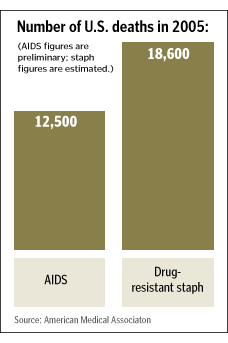
Washington, like the rest of the country, was rattled last October by the highly publicized announcement of the federal Centers for Disease Control and Prevention that MRSA now kills more people than AIDS.

Some schools closed temporarily over a single MRSA infection, or canceled football games so locker rooms could be disinfected.

In November, Gregoire wrote to the state Health Department, saying: "We need to do more." She ordered the agency to collect MRSA test results from medical laboratories statewide, and to create a panel of experts to recommend ways to curb MRSA's spread.

"Gregoire takes on superbug," a Seattle Times headline said.

But a year later, these two unfunded initiatives have had little effect.

The reporting of test results was voluntary, so some labs did not submit them. In other cases, the information was so sketchy that state officials couldn't tell where people caught the germ.
"We didn't find a whole lot of meaningful data," says Judith May, the Health Department's acting director of epidemiology.

As for the expert panel, it was stacked with hospital representatives, without a single consumer advocate. In January, the 18-member panel published its MRSA report — an 82-page rehash of existing medical literature.

The panel opposed screening all patients for MRSA, calling it "impractical or extreme ... with little added value."

Instead, it recommended that hospitals use infection-control guidelines from the CDC. But those guidelines have been widely criticized by congressional investigators, who call them confusing and conflicting.

In Washington, most community hospitals make these guidelines the core of their infection-control programs. None tests every patient for MRSA.

Last month, a representative of the Illinois Hospital Association met with a few dozen Washington hospital officials and touted the benefits of widespread MRSA screening.

For the first time, Illinois is getting a true picture of MRSA's toll, the representative told them.
Last year, the Illinois hospital group found approximately 11,300 MRSA cases. But this year, with screening in full force, the group estimates the number could be close to 30,000.

The fight continues

Today, Jeanine Thomas runs the MRSA Survivors Network.

She's haunted by memories of her time in the hospital, when she rolled up and down the corridors in a wheelchair, or grabbed coffee in the cafeteria, or used the drinking fountains.
"For two months I didn't know I had this infectious germ. The hospital let me go wherever I wanted.

"How many people did I infect?"

These days, she is campaigning for a federal law to mandate hospital MRSA screening in every state.

She criticizes Washington's refusal to embrace widespread screening, saying many of its hospitals are endangering patients.

Her Web page links to survivor stories, from a mother who lost her 7-week-old daughter to MRSA to a 58-year-old man who lost much of his left leg.

Thomas points to these survivors when confronting critics of MRSA screening.

"I'm trying to save lives," she tells them. "What are you trying to save?"

Michael J. Berens: mberens@seattletime s.com or 206-464-2288; Ken Armstrong: karmstrong@seattlet imes.com or 206-464-3730. Reporter Justin Mayo and researchers David Turim and Gene Balk contributed.
Copyright © 2008 The Seattle Times Company

Bet the Hospital & Doctors are Doing Fine

Staph infections have ruined the life of Brook Park man
by Harlan Spector/Plain Dealer Reporter
Saturday November 22, 2008, 7:26 PM

Photo Marvin Fong/The Plain Dealer

Roger Chorich has battled staph infections for years, culminating in amputation of both his legs.

BROOK PARK -- Roger Chorich's days are a blur of TV watching and bumping around the house in a wheelchair. He pops painkillers and antidepressants, and obsesses about bill collectors.

He will never know for sure how he got to such a dark place. Wracked with intractable infections since double knee replacements four years ago, he finally had to have his left leg amputated in August 2007. Then last month doctors took the right leg.

How was infectious staph able to burrow deep into his joints and render him a double amputee?

Was the hospital less than sterile?

Who's at fault?

Anyone?

The questions become more searing with time, as he and his wife, Anita, fall further behind on bills. He stares out the windows of their small brick ranch, at the yard he once planted with impatiens and marigolds, waiting for a certified letter announcing foreclosure proceedings.

He's 58 and lives on a $1,600-a-month pension from the U.S. Postal Service. They're in bankruptcy. His medical needs are too great for Anita to take on full-time work. She's always hauling him to the doctor, sliding him into the Ford Taurus with a board placed under his torso.

"We're probably going to lose the house," Chorich said, his voice tight with tension. "I'm just angry with the whole world, I guess. I just don't know where to go."

His long battle with staph has been chronicled twice before in Plain Dealer stories about hospital infections. Antibiotic-resistant staph, the same type that has sidelined a growing roster of pro football players, spread throughout Chorich's body after the knee replacements. He turned to Dr. John Sontich, an orthopedic surgeon at MetroHealth Medical Center, who again and again has cut into Chorich's ravaged knee implants and infected bone.

The final blow to Chorich's right knee was an uncontrollable yeast infection caused by years of antibiotic use. It was his third knee implant on that side, and it harbored resistant staph bacteria as well. Sontich had no choice but to amputate one-third up the femur.

Sontich said he's hoping that without artificial joints to hide in, the staph infections are gone for good.

No more antibiotics.

No more painkillers.

"He's going to be able to walk with crutches or maybe a cane," the doctor said.

Chorich has been down this road before, thinking the staph was gone, only to feel piercing pain return.

"It's like cancer," said Anita, who was treated for breast cancer six years ago. "I'm already afraid it's [staph] going to come back."

Chorich is hoping to eventually walk on prosthetics. The left one is now gathering dust in a corner in the bedroom, while he awaits a prosthetic for the right. He hopes to work again, and chip away at a debt pile of about $150,000. Anita has a temporary job running the kiddie train at Great Northern Mall three days a week. She applied to be an usher or ticket taker at Progressive Field in the spring.

"Maybe I could be doing something inside," Chorich said. "I've never done it. I've been a laborer. If someone would train me, I'd do it."

People have helped out here and there.

Leona Osrin of Beachwood wrote to Chorich and sent a check after reading about his ordeal. She recently sent him another $100.

"To have to live this way is absolutely horrific," Osrin said in an interview. "My few dollars isn't going to change his life, but it shows somebody cares about him."

Anita has hope. She thinks they will be able to renegotiate terms of a $90,000 home equity loan. "I don't worry as much as him. I always hope things are going to get better," she said.
Chorich bristled. "If we don't pay for the house, they're going to come after you," he snapped at her. "We're in trouble."

The combination of pills, depression, immobility and idle time has taken a toll.

She grabbed her packed lunch from the kitchen. "He needs to talk to somebody," she confided as she passed. Then she kissed him goodbye and left for the mall.

Thursday, September 18, 2008

Unsanitary Dialysis Center Shuts Down Over Hepatitis

By ANEMONA HARTOCOLLIS
Published: September 16, 2008

A Manhattan dialysis center closed down after State Health Department inspectors found blood on chairs and machines and discovered that at least one patient had contracted hepatitis C because of the unsanitary conditions.

More than 600 other patients treated at the center, going back nearly five years, were urged to get hepatitis and H.I.V. tests.

Claudia Hutton, a spokeswoman for the Health Department, said on Tuesday that it inspected the clinic, the Life Care Dialysis Center, at 221 West 61st Street, for a week in mid-August and found that employees had failed to wash their hands properly, disinfect equipment or change gloves between patients. Inspectors also found blood on treatment chairs.

“It was repulsive,” Ms. Hutton said. “The treatment chairs that they gave people to relax in had someone else’s dried blood on them.”

Ms. Hutton said that the clinic was ordered to begin sending its patients to other clinics immediately while the Health Department began testing patients for signs of infection.
She said that when one patient was found to have been infected by hepatitis C, a liver disease, because of contaminated equipment, the clinic shut down voluntarily.

Richard F. Daines, the state’s health commissioner, sent letters on Monday to 657 patients of the clinic going back to January 2004, the last time infection-control violations had been found, urging them to be tested for possible exposure to hepatitis C, hepatitis B and H.I.V. The clinic, which had 171 patients at the time of the inspection, agreed to pay for the testing, even if it is done by private doctors, officials said.

Ms. Hutton said there was no evidence that other patients had been infected.

Dr. Walter Wasser, the clinic’s operator and medical director, was fined $300,000 and surrendered his operating certificate, Ms. Hutton said. He could face the loss of his medical license after an investigation by the State Office of Professional Medical Conduct, Ms. Hutton said. She declined to say whether such an investigation had begun.

Dr. Wasser did not return a call for comment left with his answering service.

Ms. Hutton said that the Health Department visited the clinic in August to follow up on previous violations, not because of any specific new complaints from patients. She said the department tried to inspect clinics once a year, but was sometimes not able to do so that often because of manpower shortages and the volume of complaints.

She said the department was particularly concerned about dialysis clinics because their patients have compromised immune systems that make them vulnerable.

http://www.nytimes.com/2008/09/17/nyregion/17dialysis.html?_r=2&ref=nyregion&oref=slogin&oref=slogin

Wednesday, September 10, 2008

Special Dyes and Lighting Kill MRSA, Research Shows

But new technologies don't replace basic infection control procedures, expert says

By Steven Reinberg, HealthDay Reporter

WEDNESDAY, Sept. 10 (HealthDay News) -- A new kind of paint that releases titanium dioxide when exposed to fluorescent light and a green dye for wounds that gives off toxic molecules when activated by near-infrared light could both kill the deadly superbug known as MRSA, two new studies claim.

MRSA stands for methicillin-resistant Staphylococcus aureus. It's a strain of staph that's resistant to many antibiotics commonly used to treat it, and it can be fatal. Both reports were presented Tuesday at the Society for General Microbiology Autumn meeting at Trinity College in Dublin.

In the first study, British researcher Lucia Caballero, from Manchester Metropolitan University, found that paint that contained particles of titanium dioxide killed bacteria when it absorbed ultraviolet light.

"If this turns out, the impact is sure to be positive in the area of health," Caballero said.

The same reaction occurs when paints containing titanium dioxide are exposed to infrared light. The researchers found that the paint containing titanium dioxide successfully killed bacteria when the concentration of these nanoparticles was stronger than the normal paint. In fact, they found that all E. coli were killed with fluorescent lights.

"There are many circumstances where it is necessary or desirable to remove or to kill microorganisms found in a biological host or on surfaces," Caballero said. "Maintenance of hygienic standards is essential in hospitals, pharma and the food industry. Surface hygiene could be improved by the action of fluorescent light on catalytic surfaces, such as paints containing nanotitanium, for retarding contamination and saving on cost of cleaning maintenance."

In the second report, Dr. Ghada Omar, from University College London, found that 99 percent of the MRSA bacteria in infected wounds could be killed using a green dye that gives off toxic molecules when activated by infrared light.

"The chemicals produced when the dye is activated harm the bacteria in such a wide variety of ways that it is unlikely bacteria could ever develop resistance to the treatment," Omar said in a statement. "This makes it ideal, and possibly the only option, for treating infections with multiple drug-resistant bacteria, including MRSA."

Infected wounds are a major problem for thousands of hospital patients. Up to 9 percent of hospital-acquired infections occur during surgery and contribute to 77 percent of deaths from operations. These infections increase the length of time patients remain in hospital and increase costs, Omar noted.

Dr. Pascal James Imperato, Dean and Distinguished Service Professor of the Graduate Program in Public Health at SUNY Downstate Medical Center in Brooklyn, said a lot more work needs to be done before these technologies become practical.

"It's very much in the experimental stage at this point," Imperato said. "It's an interesting new development, but one is going to have to see many more studies to determine whether or not this is really going to work."

Dr. Marc Siegel, an associate professor of medicine at New York University School of Medicine, thinks that basic cleanliness can do more to remove the threat of hospital infections than these new technologies.

"This technology is very promising, but it gets us away from the real issue, which is that we have a problem with cleanliness and sterility in hospitals," Siegel said. "The real issue is that doctors don't change their coats, change their gloves enough. We are not using hand wipes."

Siegel noted that soap and water, when used properly, gets rid of most of this bacteria.

"MRSA has been around for 20 years and is a symptom of our inability to properly clean and sterilize facilities, while, at the same time, we are overusing antibiotics," Siegel said.

For more on MRSA, visit the U.S. Centers for Disease Control and Prevention.

SOURCES: Lucia Caballero, Manchester Metropolitan University, U.K.; Marc Siegel, M.D., associate professor, medicine, New York University School of Medicine, New York City, and author, Bird Flu: Everything You Need to Know About the Next Pandemic; Pascal James Imperato, M.D., M.P.H., dean and distinguished service professor, Graduate Program in Public Health, SUNY Downstate Medical Center, Brooklyn, New York; Sept, 9, 2008, presentations, Society for General Microbiology Autumn meeting, Trinity College, Dublin

Monday, September 8, 2008

A Real Look at the Joint Commission

Value of hospital accreditations under review

By YAMIL BERARD yberard@star-telegram.com

Christine Cahill, a government inspector, walked in to the operating room of a Los Angeles county hospital and found a technician cleaning a surgical instrument. He told her that he had just washed it, but she noticed no water in the sink, so she questioned how he had cleaned it, and he said he had used a cleaner that was in a bottle on the shelf.

"Give me a Q-Tip," she said. She shoved it into the hollow bore of the instrument.

"Out came this crud," she recalled. It was dried-up fragments of bone and blood.

At one out of every three hospitals Cahill surveyed for the federal government in California from 2004-06, she said she found egregious deficiencies that put patients’ lives at risk. Yet these same hospitals, within a year before her review, had received passing grades from the Joint Commission, America’s top healthcare evaluator.

It gave its most prestigious honor — its trademark Gold Seal of Approval — to Martin Luther King Jr./Drew Medical Center, where Cahill found the filthy surgical instrument.

And the commission also awarded that top honor, symbolizing that a hospital has met the most rigorous standards for patient care and safety, to John Peter Smith Hospital in Fort Worth in spring 2006 — the year before an independent consultant documented pervasive problems that put patients at risk.

Now, the Joint Commission itself is under review. For the first time in three decades, Congress is requiring the commission to reapply for authority to certify that hospitals meet federal standards. The commission has a virtual monopoly on hospital accreditation; 88 percent of the nation’s hospitals now choose it over a state agency.

The commission isn’t flinching over the new requirement. It posted a statement on its Web site saying it "is confident that it will receive deeming authority."

But Congress’ rare move opens up the application process to other organizations — including one in Houston that is drawing the interest of a number of Texas hospitals. Some member hospitals are griping that commission reviews often depart from Medicare standards, creating more compliance work.

For critics who characterize the relationship between the commission and client hospitals as too cozy, there couldn’t be a better time to shake up the status quo.

The situation resembles a "country-club-like setting," said Dr. Sidney Wolfe, director of Public Citizen’s Health Research Group in Washington, D.C., a consumers group. "What’s the point of having a regulator that’s a cheerleader over the institution they are supposed to be regulating?"
Scandals also fired up congressional debate last year involving the value of the commission’s accreditation. At issue were cases of accredited hospitals where patients got grossly inadequate treatment. One was a 14-bed West Texas facility where a patient died and federal officials reported that numerous staff members did not have adequate training for the medical procedures they were performing.

As a response to critics, the commission has been working in recent years to beef up its reviews. So-called unannounced visits — in which hospitals are given 48 hours’ warning — began a few years ago. Surveyors now track patients in the operating room and question doctors about diagnoses. What’s more, the agency responds not only to patient concerns, but to news reports of problems, as they did with JPS.

Commission surveyors arrived unannounced at JPS in June following Star-Telegram reports describing the JPS trauma center as a war zone, operating rooms as chaotic, instruments broken, rooms dirty, linens threadbare. Patients were put at risk when doctors couldn’t locate lab results or get crucial reports from specialists.

"We take all complaints seriously," commission spokeswoman Elizabeth Zhani said.
The inspectors cited a list of deficiencies, including intrusions into patient privacy, use of outdated drugs, filth and a system that could not keep track of narcotics, hospital officials said.
Such disturbing findings don’t mean the accreditation process is flawed, Zhani said.

"Accreditation is just not a [survey] visit," she said. "A lot of people tend to focus on that. We don’t know everything else that goes on."

"We cannot be there 365 days of the year," Zhani said.

But critics say the commission will be hard-pressed to identify a hazard so serious that it will shut down a hospital. It didn’t pull the accreditation from Martin Luther King Jr./Drew Medical Center until a year after Cahill conducted her survey — and the news media highlighted patient deaths tied to staff errors.

The Joint Commission process "in itself is, to say the least, superficial," Cahill said. "It doesn’t tell you what the hospital is doing."

Survey problems

The Joint Commission’s plan of attack has always been to "peer-review" or educate hospitals about quality standards, not regulate them, Zhani said.

"Organizations who contract with the Joint Commission are voluntarily saying: 'We want you to come in and survey us and inspect us to see if we’re following your standards for patient care,’ " Zhani said. "They are making a commitment that they want to focus on quality improvement."

But even supporters say the survey process has weaknesses.

Hospitals, no matter the size, are surveyed at least every three years. And the inspectors — usually independent contractors, not commission employees — spend about three days, often in back-to-back interviews with hospital administrators. Some say that doesn’t allow sufficient time for investigation.

At times, medical records are reviewed to make sure the proper documentation is there, not that patients received the proper medication, critics say. The focus of the surveys is on process rather than outcome, said Emily Moreno, a San Antonio registered nurse, now retired, who spent 30 years doing quality assurance at hospitals.

Even at that, though, a surveyor might have found what the JPS consultant did — that up to 20 percent of all medical records were missing.

It also isn’t clear to what degree hospital officials direct surveyors to departments or whether surveyors can — or have time to — wander around and just freely observe. That could explain why troubling problems were apparently overlooked at JPS.

Because the Joint Commission doesn’t make its reports available to the public, patients can’t be assured that surveyors visited some of the less conspicuous areas of the hospital, such as the unit that houses Tarrant County Jail inmates.

An independent consultant in 2007 noted a "dungeon like feel" to the unit and said that infectious patients were housed with noninfectious ones, with the potential of exposing patients, staff and sheriff’s deputies to such diseases as tuberculosis. Staff members told the consultant that the toilets were usually dirty and smelly, garbage cans regularly overflowed. Furniture was broken, and workspaces put doctors and nurses at risk of attack.

The Star-Telegram was not able to interview commission inspectors, despite repeated attempts.
When the survey turns up deficiencies, the commission works with hospitals to help them meet standards. And the commission continues to unveil better methods of identifying patient safety risks. One is a new practice in which surveyors "trace" or follow patients in surgery and other critical services in order to look for vulnerabilities in a hospital’s management of their care.
But critics say that the Joint Commission has other interests that may trump patient safety and lead the commission to stymie efforts that would strengthen compliance and public awareness of hospital problems.

For one, it relies on hospitals for the lion’s share of its $108 million in revenue. Hospitals pay tens of thousands of dollars for their survey evaluations. What’s more, the commission sells its consulting services to help hospitals meet accreditation standards. That boosts sales and creates the potential for conflicts of interest.

"It’s basically run by the [hospital] industry," said Julia Greene, a healthcare professional in Chicago with the Service Employees International Union, which has 2 million members, including the nation’s largest healthcare union.

Among those seeking change is the American Nurses Association, which blames the U.S. Department of Health and Human Services for failing to adequately supervise the commission’s role in the accreditation of hospitals.

Pressure is also coming from some groups concerned about rising healthcare costs. Business groups and insurers want to know if they are getting effective care for their money.

The Office of the Inspector General of DHHS is also expected to add fuel to the fire to revamp the commission. By winter, it is expected to release an examination of the commission’s accreditation process. The inspector general last reviewed the nonprofit in a scathing 1999 report that said its inspections were superficial and left little time for real scrutiny of a hospital’s errant practitioners — the ones most apt to do harm to patients.

Checks and balances

The government does provide some checks and balances to the commission in the form of federal validation surveys, such as Cahill’s at Martin Luther King Jr./Drew, which closed in August 2007 because of substandard conditions.

The surveys are conducted to validate the processes of the commission — "to make sure they’re doing what they’re supposed to be doing," Cahill said.

At most, only 5 percent of the nation’s hospitals undergo the federal scrutiny each year, she said.

But they always involve a team of specialists who spend a longer period studying a hospital, relying on a set of 19 health quality "conditions" required under Medicare regulations. For the MLK Jr./Drew Medical Center survey, Cahill was teamed with pharmacists, nutritionists, nurses and physicians. The surveys can last up to five days, and surveyors can visit the hospital four or five times to check to see that the hospital has corrected problems.

"When [government inspectors] do a validation survey based on the federal regulations, they are very, very thorough and the survey process is a much better process at finding problems than the Joint Commission would ever be," Cahill said.

While inspectors will suggest ways to improve, the survey is intended to root out bad practices, Cahill said.

If a medical record is reviewed, for example, government inspectors observe the patient’s care to see if the practice matches the hospital’s policy and federal standards, she said.

"We probe it further until we are convinced that it’s not an issue or it is an issue," she said.
That’s how inspectors found the case of a meningitis patient who had mistakenly received a potent anticancer drug for four days at the Los Angeles hospital.

Patients may also get some protection from state enforcement agencies. In June, Texas health inspectors were quick to arrive at JPS after news reports drew the commission back for a closer look. State inspectors are closer to the action and can add more layers of protection, the DHHS inspector general reported in 2000.

And next year, there may be a new face or two arriving to accredit hospitals in Texas. A Houston-based accreditation company — DNV Healthcare — is drawing the interest of a number of hospitals who say the commission’s standards deviate too far from Medicare rules.

The commission may have to reckon with the idea that, over time, it could lose its virtual monopoly on accreditation.

That’s all right with the Texas Hospital Association.

Competition "is a good thing . . .," says Starr West, senior director of policy analysis for the association.

"This sort of levels the playing field. We’ve been very supportive of having competition . . . it kind of keeps everybody in line."


Changes in hospitals sought Consumer advocates and other critics are pressing the Joint Commission to strengthen public accountability of hospitals. These are some of the changes being sought.

1 Disclose more information, including life-threatening medical errors and hospital deficiencies.

A commission manual states that hospitals are "encouraged" to report sentinel events, including patient suicide, abduction of newborns, foreign objects left in patients’ bodies during surgery and other major events. But hospitals are not required to do so. When a hospital does report, the commission usually does not identify it to the public. A national snapshot of reported sentinel events on the Joint Commission Web site shows just a map of the number of incidents by state.

Releasing the names of hospitals where sentinel events occurred would be a small step in protecting the public, said Lisa McGiffert, senior policy analyst at Consumers Union in Austin, which publishes Consumer Reports. But even that wouldn’t provide the public with information it needs, she said. For example, the Centers for Disease Control and Prevention estimates that almost 100,000 people die of hospital-acquired infections each year, yet in the past 13 years, the Joint Commission has classified only 105 cases as sentinel events, she said.

"If these sentinel events weren’t so misleading to the public, it’d be laughable," McGiffert said.
"The public has this belief that someone else is watching and making sure that hospitals are safe, and they are mistaken. Nobody is watching."

2 Make survey reports available to the public.

On its Web site, the commission publishes "Quality Reports" that compare a hospital’s performance in a handful of areas to that of other hospitals. For example, John Peter Smith Hospital’s report shows that in 2007 it rated below most accredited hospitals in the country when it comes to heart attack care. ( www.qualitycheck.org/qualityreport.aspx?hcoid=9048#)

But it’s left up to hospitals to decide whether to disclose deficiencies noted by surveyors. After commission inspectors paid a surprise visit to JPS this summer, the hospital made public some findings but did not release the report and specific deficiencies.

"If the organization wants to release the report, they can release it," Joint Commission spokeswoman Elizabeth Zhani said.

3 Pay more heed to patient complaints.

Emily Moreno of San Antonio, who focused on hospital quality during her 30 years as a registered nurse, filed a complaint with the commission after she developed an infection at the site of a breast biopsy at an Oklahoma City hospital. The commission had accredited the hospital seven months earlier.

It took no action on her complaint, she said. It only told her, in response, that it gives "serious consideration" to all complaints.

Susan Sheridan, an Idaho mother of a child with cerebral palsy, did get the commission’s attention. Her son, now 13, suffered brain damage because of the failure of hospitals to test newborns for jaundice. She and other mothers of children with cerebral palsy co-founded Parents of Infants of Children with Kernicterus. Thanks to her advocacy, hospitals now test for excessive bilirubin levels in newborns.

4 Place more patient representatives on the commission board.

Sheridan would also like to see the commission open up more hospital data to the public, but doesn’t believe that will happen soon.

"Their very structure stifles that," she said. Most of its board members are doctors or health practitioners.

"What ties their hands basically is that its members and their clients are hospitals," she said.